I. Introduction: Defining social media detox and its importance in modern life
In today’s hyperconnected world, the concept of a social media detox has evolved from a trendy buzzword to a crucial self-care practice. As someone who’s spent countless hours studying digital wellness, I’ve witnessed firsthand how our relationship with social platforms has fundamentally altered our daily routines and mental landscape. A social media detox, in its simplest form, is a deliberate period of disconnection from social networking platforms like Instagram, Facebook, Twitter, and TikTok.
The importance of this practice cannot be overstated in our modern life, where the average person spends nearly 2.5 hours daily on social media. I remember my first attempt at a digital detox – it was both terrifying and liberating. That familiar urge to reach for my phone every few minutes gradually transformed into a profound sense of presence and clarity.
What makes social media detox particularly relevant today is the increasing recognition of its impact on our mental health, productivity, and genuine human connections. It’s not about completely abandoning these platforms; rather, it’s about regaining control over our digital consumption and establishing a healthier relationship with technology.
The beauty of a social media detox lies in its flexibility – it can be tailored to individual needs and circumstances. Whether it’s a 24-hour break or a month-long hiatus, the goal remains the same: to reset our digital habits and reconnect with the physical world around us. As we delve deeper into this topic, we’ll explore how to recognize when you need a detox, how to implement one effectively, and most importantly, how to maintain a balanced digital lifestyle in the long run.
Through my years of research and personal experience, I’ve come to understand that a social media detox isn’t just about taking a break – it’s about rediscovering parts of ourselves that may have been overshadowed by our digital personas. It’s about creating space for real-world connections, creative pursuits, and mental clarity in an increasingly noisy digital landscape.

II. Recognizing Signs of Social Media Overuse
Identifying the signs of social media overuse is crucial for maintaining digital wellness, and as someone who’s counseled numerous individuals through their digital detox journeys, I’ve observed several telling indicators. These signs often creep up gradually, making them easy to overlook until they significantly impact our daily lives.
Physical symptoms are often the first red flags. The most common include eye strain, disrupted sleep patterns, and what experts now call ‘tech neck‘ – that persistent pain in your neck and shoulders from constantly looking down at your device. I’ve experienced this myself, particularly during periods when I was spending excessive time scrolling through social feeds late into the night.
Mental health indicators are equally concerning. According to recent studies by the American Psychological Association, excessive social media use can trigger anxiety, depression, and feelings of inadequacy. If you’re constantly comparing your life to others’ carefully curated posts, feeling FOMO (Fear of Missing Out), or experiencing anxiety when you can’t access your social media accounts, these are clear warning signs of overuse.
The impact on social relationships is another crucial indicator. When you find yourself preferring online interactions to real-world conversations, or feeling disconnected from loved ones despite being ‘connected’ to hundreds or thousands of followers, it’s time to reassess your social media habits. I’ve seen countless cases where people spend entire social gatherings scrolling through their feeds, missing out on meaningful conversations happening right in front of them.
Productivity concerns are perhaps the most tangible signs. If you’re constantly interrupting work to check social media, finding it difficult to focus on tasks without checking your phone, or spending hours mindlessly scrolling when you should be working or studying, these are clear indicators of problematic usage.
Emotional dependency is another telltale sign. When your mood becomes directly influenced by the number of likes, comments, or shares you receive, or when you feel an overwhelming need to document every experience for social media rather than simply living in the moment, it’s time to consider a detox.
Remember, experiencing one or more of these signs doesn’t make you weak or addicted – it makes you human in a digital age that’s designed to capture and hold our attention. Recognizing these patterns is the first crucial step toward establishing a healthier relationship with social media.

III. Planning Your Social Media Detox
Planning a successful social media detox requires thoughtful preparation and realistic goal-setting. From my experience guiding others through this process, I’ve learned that the key to success lies in creating a structured approach that aligns with your lifestyle and personal objectives.
First, setting realistic goals is crucial. According to Psychology Today’s research on habit formation, it takes approximately 21 days to form a new habit. However, your detox duration should match your personal needs. I typically recommend starting with a 24-hour detox for beginners, gradually extending to a week or more as you become more comfortable with the process.
Determining the duration of your detox should be based on your current usage patterns and lifestyle demands. Some prefer a complete 30-day cleanse, while others might benefit more from regular ‘digital sabbaths’ – one day per week without social media. The key is choosing a timeframe that challenges you without setting yourself up for failure.
Creating boundaries is essential for success. This involves more than just deleting apps – you need to establish clear rules about what constitutes social media use. For instance, mindful morning routines might include keeping your phone outside your bedroom and avoiding social media during the first hour after waking. I personally found that setting specific ‘no-phone zones’ in my home dramatically improved my detox success rate.
Informing your connections about your planned detox is a crucial step often overlooked. Let your close friends, family, and professional contacts know about your temporary absence from social platforms. Provide alternative ways to reach you for important matters, such as email or phone calls. This prevents misunderstandings and reduces the anxiety of ‘missing out’ on important communications.
Consider implementing practical strategies like:
– Removing social media apps from your phone while keeping them on your desktop for controlled access
– Using app blockers or screen time limitations
– Creating designated check-in times if you need to maintain certain professional social media responsibilities
– Establishing a support system of friends or family who can help keep you accountable
I’ve found that preparing alternative activities in advance is vital. Make a list of offline activities you’ve been wanting to explore or tasks you’ve been putting off. This proactive approach helps fill the void that social media typically occupies in your daily routine.
Remember, the goal isn’t to permanently eliminate social media from your life but to reset your relationship with these platforms. By planning thoroughly and setting clear intentions, you’re more likely to achieve lasting benefits from your social media detox experience.
IV. Alternative Activities During Detox
One of the most rewarding aspects of a social media detox is rediscovering activities that bring genuine fulfillment and joy. Through my years of guiding others through digital detoxes, I’ve compiled a rich collection of alternative activities that not only fill the time but enhance life quality significantly.
Offline hobbies present an excellent opportunity for personal growth and creativity. According to research on digital wellness, engaging in hands-on activities can significantly reduce anxiety and improve mental well-being. I’ve witnessed countless individuals rediscover their passion for reading physical books, learning to paint, or taking up crafts like knitting or woodworking. These tangible activities provide a sense of accomplishment that ‘likes’ and comments simply can’t match.
In-person social interactions become remarkably more meaningful during a detox. Without the constant urge to document every moment, you’ll find yourself fully present in conversations and experiences. Consider joining local community groups, attending workshops, or simply scheduling coffee dates with friends. The Meetup platform offers numerous opportunities to connect with people who share your interests, from hiking groups to book clubs.
Physical activities deserve special attention during your detox period. I’ve found that many people discover a newfound love for exercise when they’re not constantly tethered to their phones. Try activities like:
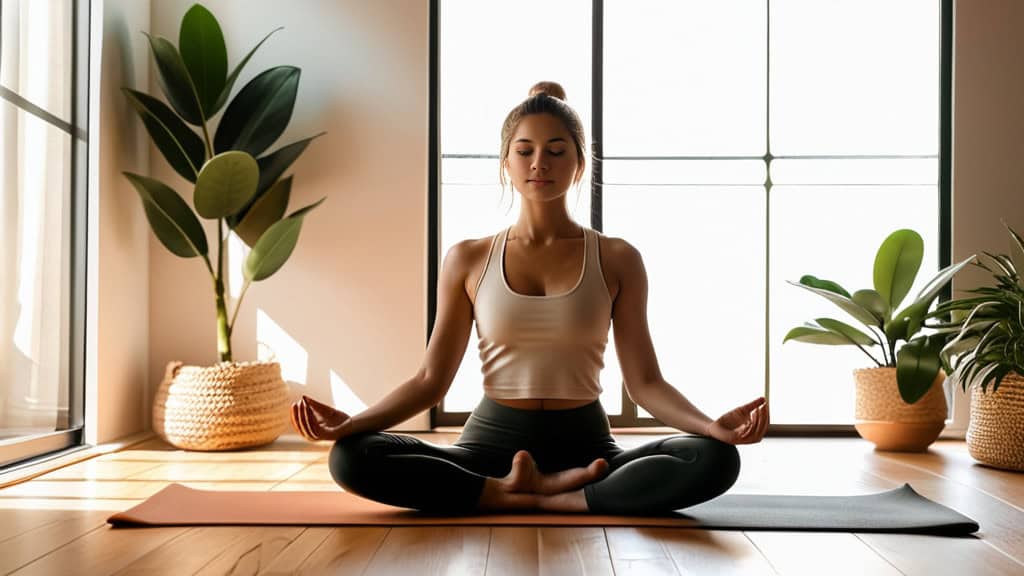
– Morning yoga or stretching routines
– Nature walks or hiking
– Team sports
– Dancing classes
– Swimming
– Rock climbing
Mindfulness practices become easier to embrace without social media’s constant interruptions. Simple activities like meditation, journaling, or even gardening can help center your thoughts and reduce the anxiety that often accompanies social media withdrawal. I personally started a daily gratitude journal during my first detox, and it’s remained a cherished practice ever since.
Creative pursuits often flourish during this time. Consider:
– Starting a writing project
– Learning to play a musical instrument
– Taking up photography (without sharing immediately)
– Cooking new recipes
– Creating art
– Learning a new language
Home improvement and organization projects can provide a sense of accomplishment. Many of my clients report finally tackling those long-postponed tasks during their detox, from decluttering closets to redecorating spaces.
Remember, the goal isn’t to fill every moment with activity – sometimes simply sitting in silence, observing your surroundings, or daydreaming can be revolutionary in our hyper-connected world. The key is to engage in activities that bring genuine satisfaction rather than the fleeting dopamine hits we’re accustomed to from social media.
As you explore these alternatives, you might find that some activities become permanent replacements for your previous social media time, naturally leading to a more balanced lifestyle even after your detox ends.

V. Maintaining Healthy Social Media Habits
After completing a social media detox, maintaining healthy digital habits becomes the next crucial challenge. Through my experience helping individuals navigate this transition, I’ve discovered that success lies in implementing sustainable strategies rather than pursuing perfection.
Time management stands at the forefront of healthy social media use. According to Harvard Health, setting specific time blocks for social media usage can significantly reduce its negative impact on mental health. I recommend using the ‘container method’ – designating specific times of day for social media use, such as 15 minutes in the morning and evening, rather than allowing random checks throughout the day.
Content filtering becomes essential for maintaining digital wellness. Take time to thoughtfully curate your feed by:
– Unfollowing accounts that trigger negative emotions
– Muting or blocking content that doesn’t serve your well-being
– Following accounts that align with your personal growth goals
– Creating lists or categories to organize meaningful connections
Purpose-driven usage represents a fundamental shift in how we approach social media. The mindful social media practice involves asking yourself before each login: ‘What is my intention for using this platform right now?’ This simple question can prevent mindless scrolling and promote meaningful engagement.
Regular digital wellness checks help maintain awareness of your social media habits. I recommend conducting weekly assessments to evaluate:
– Total time spent on social platforms
– How you feel before and after usage
– Quality of interactions and connections
– Impact on productivity and real-life relationships
– Value gained from time spent online
Implementing practical boundaries has proven highly effective:
– Keep phones out of the bedroom
– Turn off non-essential notifications
– Use grayscale mode to reduce app appeal
– Install usage-tracking apps
– Schedule regular mini-detoxes
Creating a balanced approach to content sharing is equally important. Instead of impulsively sharing every moment, consider:
– Waiting 24 hours before posting important life events
– Limiting personal sharing to specific days
– Focusing on meaningful interactions rather than broadcast-style posting
– Using private messaging for personal updates
Remember that maintaining healthy social media habits isn’t about perfect adherence to rules – it’s about creating a sustainable relationship with digital platforms that enhances rather than detracts from your life. Some days you’ll use more social media than others, and that’s perfectly fine as long as you’re mindful of your overall patterns.
The key is to view social media as a tool that serves you, rather than the other way around. By maintaining awareness and regularly adjusting your habits, you can create a digital lifestyle that supports your well-being while still allowing you to stay connected in meaningful ways.

VI. Conclusion: Emphasizing balance and long-term benefits of mindful social media use
As we wrap up our exploration of social media detox and mindful digital living, it’s crucial to emphasize that the goal isn’t to demonize social media but to foster a balanced relationship with these powerful tools. Through my years of research and personal experience, I’ve witnessed how mindful social media use can transform lives while maintaining meaningful digital connections.
The long-term benefits of establishing a healthy relationship with social media are profound and far-reaching. According to research published in the National Library of Medicine, individuals who practice mindful social media use report improved mental health, better sleep quality, and increased life satisfaction. These aren’t just temporary gains – they represent a fundamental shift in how we engage with digital platforms.
The journey toward digital wellness is ongoing, and it’s different for everyone. What works for one person might not work for another, and that’s perfectly fine. The key is to find your own balance while remaining aware of how social media impacts your daily life. As noted by the World Health Organization, mental well-being is increasingly tied to our digital habits, making this balance more crucial than ever.
I’ve observed that those who successfully maintain a healthy relationship with social media often share common characteristics:
– They view social platforms as tools rather than lifestyle necessities
– They regularly assess and adjust their digital habits
– They prioritize real-world connections while appreciating digital ones
– They’re mindful of their emotional responses to social media
– They maintain clear boundaries between online and offline life
Remember that occasional slip-ups in your social media habits don’t negate your progress. The path to digital wellness isn’t linear – it’s about making consistent choices that align with your well-being while allowing for flexibility and growth.
As we continue to navigate an increasingly digital world, the skills and awareness developed through social media detox become invaluable. They enable us to harness the benefits of social platforms while avoiding their potential pitfalls, creating a sustainable approach to digital living that enhances rather than diminishes our life experience.
The future of our relationship with social media lies in our ability to use it intentionally and mindfully. By implementing the strategies discussed throughout this article, you’re not just improving your current digital habits – you’re investing in your long-term well-being and creating a healthier relationship with technology for years to come.