I. Introduction
The journey to minimalism doesn’t have to be a long, drawn-out process. In fact, becoming a minimalist overnight can be an exhilarating and transformative experience that immediately sets you on a path to a clearer, more purposeful life.
Minimalism, at its core, isn’t just about having fewer possessions – it’s about making room for what truly matters. Think of it as pressing a reset button on your life. Just as you might clear your browser cache to make your computer run faster, becoming a minimalist helps clear the clutter that’s slowing down your life.
Why the rush to minimalism? In our fast-paced world, where we’re constantly bombarded with advertisements and pressured to accumulate more, many people are feeling overwhelmed and suffocated by their possessions. The immediate benefits of minimalism can include reduced anxiety, better focus, and a sense of control over your environment.
I remember the night I decided to become a minimalist. After a particularly stressful day of searching for an important document buried somewhere in my cluttered home office, I reached my breaking point. That evening, I stayed up until dawn, filling garbage bags with unnecessary items and feeling lighter with each decision to let go. By sunrise, my space – and my mind – had transformed.
The beauty of becoming a minimalist overnight lies in its decisive nature. Instead of gradually tiptoeing into minimalism, making this dramatic shift creates immediate results and builds unstoppable momentum. It’s like ripping off a bandage – quick and decisive, rather than slow and painful.
Whether you’re feeling suffocated by physical clutter, digital chaos, or the constant pressure to keep up with consumerist culture, the overnight approach to minimalism offers a rapid solution. In the following sections, we’ll explore exactly how to make this swift transition and embrace a simpler, more intentional way of living.
II. Declutter Your Space Immediately
II. Declutter Your Space Immediately
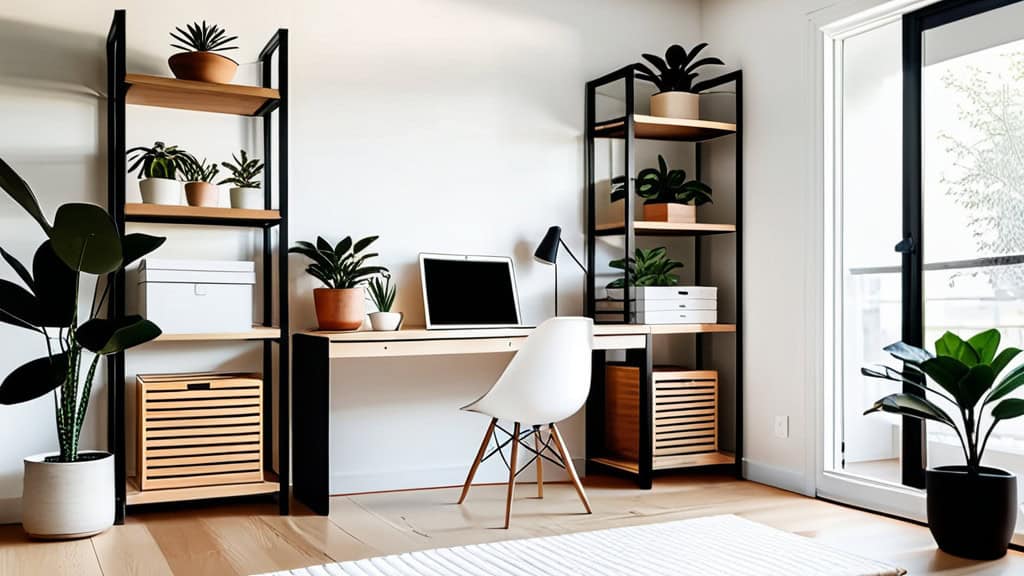
The key to overnight minimalism starts with immediate, decisive action in your physical space. Begin with what I call the ’90-minute sweep’ – a focused decluttering session where you move through your home with three large boxes: keep, donate, and trash. The KonMari method provides an excellent framework, but we’re doing it at warp speed.
Start with visible spaces – countertops, tables, and floors. Don’t overthink it; if you haven’t used something in the past three months (excluding seasonal items), it goes. I’ve found that keeping a decluttering checklist helps maintain momentum during this process.
The one-in-one-out rule becomes your new mantra. For every new item that enters your space, an existing item must leave. This creates an immediate system for maintaining your newly decluttered space. I personally keep a donation box by my front door as a constant reminder of this commitment.
Digital decluttering is equally crucial. Delete unnecessary apps from your phone, unsubscribe from email lists, and clear your desktop. Create designated folders for important documents and be ruthless with digital photographs – keep only those that truly spark joy or serve a purpose.
III. Simplify Your Daily Routine
With your space decluttered, it’s time to streamline your daily routine. The average person makes about 35,000 decisions each day – our goal is to slash that number dramatically. Start by creating a minimal morning routine that focuses on essential activities only.
Your wardrobe becomes a crucial part of this simplification. Create a capsule wardrobe with versatile pieces that mix and match effortlessly. I reduced my closet to 33 items and found that it actually expanded my outfit options while eliminating decision fatigue.
Simplify your grooming routine by keeping only the products you use daily. The essential-only approach extends to every aspect of your routine – from meal planning to exercise. I’ve found that having a protein shake for breakfast every day, rather than deciding what to eat each morning, saves both time and mental energy.
Create designated spaces for essential items and stick to them religiously. Keys, wallet, and phone should have a specific ‘home’ where they always return. This eliminates the daily scramble to find important items and creates a sense of order from the moment you wake up.
Remember, the goal isn’t to create a spartan existence, but rather to eliminate the unnecessary so you can focus on what truly matters. By simplifying your daily routine, you’re not just saving time – you’re creating space for meaningful activities and experiences that add value to your life.

III. Simplify Your Daily Routine
IV. Reset Your Mindset
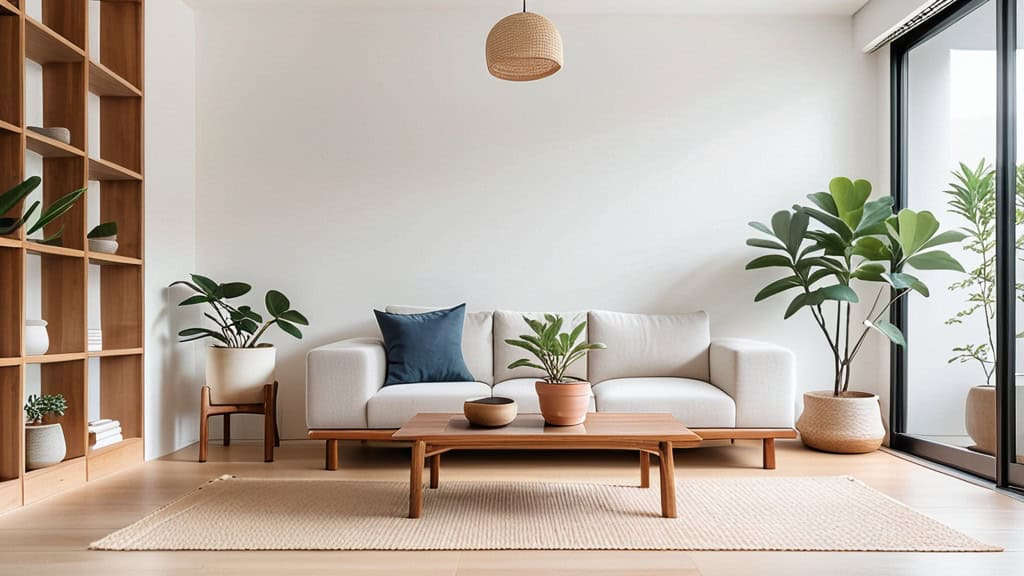
The physical aspects of minimalism are just the beginning – the real transformation happens in your mind. Shifting to a minimalist mindset requires a fundamental change in how you view possessions, success, and happiness. The connection between happiness and ownership needs to be severed, and it needs to happen quickly.
I learned this lesson the hard way when I found myself replacing cleared clutter with new, ‘minimalist-aesthetic’ items. The truth is, authentic minimalism isn’t about having Instagram-worthy shelves – it’s about fundamentally changing your relationship with consumption and possession.
Start by practicing mindful consumption. Before every purchase, ask yourself three questions: Do I need this? Will it add real value to my life? Could I live just as happily without it? This 90/90 minimalism rule has saved me countless times from impulse purchases that would have only contributed to future clutter.
Focus on experiences over possessions. Instead of buying new things, redirect your energy and resources toward creating memories. When I stopped buying unnecessary gadgets and started investing in experiences, I found a level of fulfillment that no physical possession could match.
Letting go of emotional attachments to objects is crucial. Remember, memories reside in your heart and mind, not in physical items. I kept my grandmother’s entire china collection for years before realizing that our relationship wasn’t stored in those dishes – it lived in the memories of cooking together.
Practice gratitude for what remains after decluttering. This isn’t about deprivation; it’s about appreciation. Each item that survived your minimalist transformation should serve a purpose or bring genuine joy. When you’re grateful for what you have, you’ll find yourself wanting less.
Adopt a ‘quality over quantity’ mentality. This applies not just to possessions, but to relationships, commitments, and how you spend your time. I’ve found that having fewer, deeper friendships is more fulfilling than maintaining numerous superficial connections.
Remember, resetting your mindset isn’t about perfection – it’s about progress. Some days you’ll feel like a minimalist master, others you’ll struggle with old habits. The key is to maintain awareness and keep returning to your ‘why’ – the reason you chose this path in the first place.
IV. Reset Your Mindset
V. Maintain Your New Lifestyle
Maintaining your minimalist lifestyle is where the real challenge begins. After the initial excitement of decluttering fades, you’ll need strong systems and habits to prevent falling back into old patterns. The key is to establish what I call ‘minimalist maintenance moments’ – regular check-ins with yourself and your space. The habit-building process is crucial for long-term success.
Create a weekly reset routine. Every Sunday evening, I spend 20 minutes returning items to their designated spaces, clearing surfaces, and preparing for the week ahead. This simple practice prevents clutter from accumulating and maintains the peaceful environment you’ve worked so hard to create.
Implement the ‘one-minute rule’ – if something takes less than a minute to do, do it immediately. This applies to hanging up clothes, washing dishes, or dealing with mail. When I started following this rule, I noticed a dramatic decrease in the small tasks that often snowball into overwhelming clutter.
Track your progress using a minimalist journal or app. Document not just what you’ve eliminated, but how it makes you feel. The emotional benefits of simple living often become the strongest motivation to maintain your new lifestyle.
Resist the urge to fill empty spaces. When you see a clear surface or an empty shelf, appreciate it rather than viewing it as space to fill. I keep a photo of my cluttered old office on my phone as a reminder of why I chose this path.
Build a support system of like-minded individuals. Whether online or in person, connecting with other minimalists can provide encouragement and practical tips. Share your challenges and victories – community support can make the difference between maintaining your minimalist lifestyle and sliding back into old habits.
Regular decluttering sessions should become as routine as brushing your teeth. Schedule monthly mini-declutter sessions to catch any accumulation before it becomes overwhelming. I mark these dates in my calendar and treat them as non-negotiable appointments with myself.
When it comes to new purchases, establish a waiting period. I use a 30-day rule for non-essential items – if I still want something after 30 days, I’ll consider buying it. This eliminates most impulse purchases and ensures new additions to your life are intentional.
Remember that minimalism is a journey, not a destination. Your version of minimalism may look different from others, and that’s okay. The goal is to maintain a lifestyle that brings you peace, clarity, and freedom from the burden of excess.

V. Maintain Your New Lifestyle
VI. Conclusion
Becoming a minimalist overnight isn’t just about rapid decluttering – it’s about making a decisive shift toward a more intentional life. Through this journey, we’ve explored how quick, decisive action combined with mindset changes can lead to lasting transformation. The benefits of minimalism extend far beyond a tidy space, reaching into every aspect of your life.
From my personal experience, the overnight approach to minimalism creates a powerful momentum that can carry you through the challenges of maintaining this lifestyle. The immediate results – a clearer space, simpler routine, and lighter mindset – provide instant gratification that reinforces your commitment to change.
Remember, this isn’t about achieving perfection. It’s about creating a sustainable lifestyle that allows you to focus on what truly matters. As minimalism experts suggest, the goal isn’t to own nothing – it’s to own exactly what supports your best life.
The journey you’re about to embark on might seem daunting, but the rewards are immediate and profound. Reduced anxiety, increased focus, more time for meaningful pursuits, and a deeper appreciation for what you have – these are just the beginning of what awaits you on the other side of this transformation.
Take action now. Don’t wait for the ‘perfect’ time or conditions. Start tonight by clearing one surface, simplifying one routine, or making one mindful decision about what you really need. The path to minimalism begins with a single step, and there’s no better time than right now to take it.
Your future self will thank you for making this bold decision to transform your life overnight. Remember, minimalism isn’t about what you give up – it’s about what you gain: freedom, clarity, and the space to live life on your own terms. The journey starts now, and the possibilities are endless.