Introduction
In today’s environmentally conscious world, the shift towards go green products has become more than just a trend – it’s a necessary step towards a sustainable future. As consumers become increasingly aware of their environmental footprint, the demand for eco-friendly alternatives to everyday products continues to rise. These sustainable solutions not only help protect our planet but also offer numerous benefits for our health and well-being.
Go green products encompass a wide range of items designed to minimize environmental impact while maintaining or exceeding the functionality of their traditional counterparts. From biodegradable cleaning supplies to energy-efficient appliances, these products are revolutionizing how we approach our daily routines and purchasing decisions. The market for home green products has expanded significantly, offering consumers more choices than ever before to make environmentally responsible decisions.
By incorporating organic green products and other sustainable alternatives into our lives, we can contribute to reducing waste, conserving resources, and promoting a healthier planet for future generations. This comprehensive guide will explore the various aspects of go green products, helping you understand their benefits, identify genuine eco-friendly options, and make informed decisions about transitioning to a more sustainable lifestyle.
Whether you’re just beginning your journey towards sustainability or looking to expand your existing eco-friendly practices, understanding the world of green products is essential for making meaningful environmental changes in your daily life.

I. Benefits of Eco-Friendly Products
The adoption of go green products offers numerous compelling benefits that extend far beyond environmental protection. Understanding these advantages helps consumers make informed decisions while transitioning to a more sustainable lifestyle.
Environmental Impact
Go green products significantly reduce our carbon footprint through sustainable manufacturing processes and biodegradable materials. These products typically require less energy to produce and generate minimal waste throughout their lifecycle. From recyclable packaging to renewable materials, eco-friendly items help conserve natural resources and protect ecosystems from harmful pollutants.
Health Advantages
Many conventional products contain harsh chemicals and synthetic materials that can adversely affect human health. Home green products, particularly those used for cleaning and personal care, are typically made with natural, non-toxic ingredients. This shift to organic green products reduces exposure to potentially harmful substances, creating healthier living environments for families and pets.
Cost-effectiveness
While eco-friendly products may have higher upfront costs, they often prove more economical in the long run. Energy-efficient appliances reduce utility bills, while durable, reusable items eliminate the need for frequent replacements. Additionally, many green products are designed for longevity, offering better value over time compared to conventional alternatives.
Social Responsibility
Choosing green products demonstrates a commitment to social responsibility and environmental stewardship. This consumer behavior encourages manufacturers to adopt sustainable practices and invest in eco-friendly innovations. Supporting companies that prioritize environmental conservation helps create a marketplace where sustainable options become increasingly accessible and affordable for everyone.
By embracing these benefits, consumers can make positive impacts on both personal and global scales while enjoying products that are better for their homes, health, and the environment.

II. Popular Go Green Product Categories
The market for go green products has expanded dramatically, offering eco-conscious consumers a wide variety of options across different categories. Here’s an exploration of the most popular sustainable product categories that can help transform your lifestyle.
Sustainable Household Items
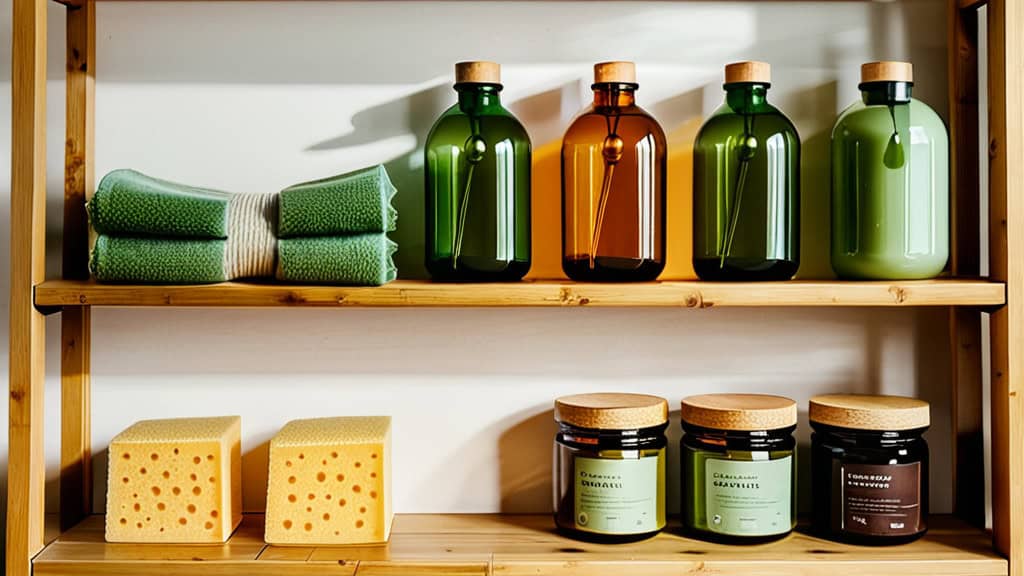
The foundation of an eco-friendly home starts with everyday essentials. This category includes biodegradable cleaning supplies, reusable paper towel alternatives, and natural fiber sponges. Bamboo products have gained particular popularity, offering sustainable options for everything from kitchen utensils to bathroom accessories. These home green products not only reduce waste but also eliminate harmful chemicals from your living space.
Natural Personal Care Products
The shift towards organic green products in personal care has revolutionized how we approach hygiene and beauty routines. This category includes plastic-free shampoo bars, biodegradable toothbrushes, reef-safe sunscreens, and natural cosmetics. These products typically feature organic ingredients, minimal packaging, and cruelty-free manufacturing processes, making them better for both personal health and environmental preservation.
Eco-friendly Packaging Solutions
As packaging waste continues to be a global concern, sustainable packaging alternatives have become increasingly important. This category includes reusable shopping bags, beeswax food wraps, glass storage containers, and compostable packaging materials. These solutions help reduce single-use plastic consumption while maintaining product freshness and usability.
Energy-efficient Appliances
Modern green technology has made it possible to significantly reduce household energy consumption. Energy-efficient appliances, LED lighting, smart thermostats, and solar-powered devices represent major advances in sustainable living. These products not only minimize environmental impact but also offer substantial long-term cost savings through reduced energy consumption.
Each of these categories offers numerous options for consumers looking to make environmentally conscious choices, making it easier than ever to incorporate green products into daily life while maintaining modern conveniences and comfort.
III. How to Identify Genuine Green Products
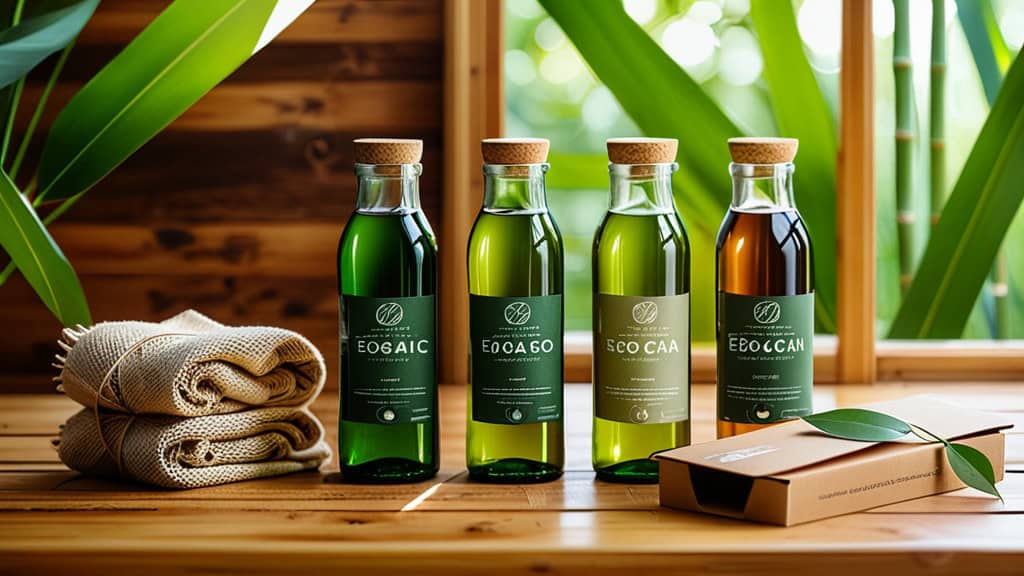
With the increasing popularity of go green products, it’s crucial to distinguish genuine eco-friendly items from those that merely claim to be environmentally conscious. Here’s how to identify authentic green products and avoid greenwashing.
Certification Labels
Legitimate green products often carry recognized environmental certifications. Look for trusted labels such as Energy Star, USDA Organic, Green Seal, or EcoLogo. These certifications indicate that products have met specific environmental standards and undergone rigorous testing. For home green products, certifications like LEED or FSC (Forest Stewardship Council) can verify sustainable manufacturing and sourcing practices.
Material Composition
Examining product ingredients and materials is essential for identifying genuine organic green products. Look for items made from renewable, recycled, or biodegradable materials. Be wary of products containing harmful chemicals, synthetic materials, or excessive plastic packaging. Natural ingredients should be clearly listed, and manufacturers should be transparent about their sourcing methods.
Manufacturing Process
Authentic green products are typically produced using environmentally responsible manufacturing processes. This includes energy-efficient production methods, waste reduction practices, and responsible water usage. Companies should be willing to share information about their manufacturing facilities, carbon footprint reduction efforts, and sustainability initiatives.
Company Transparency
Genuine eco-friendly companies maintain transparency about their environmental practices and impact. They should provide clear information about:
– Their sustainability goals and achievements
– Supply chain practices
– Waste management procedures
– Environmental certifications
– Product life cycle assessments
Look for detailed product information on packaging or company websites, and be cautious of vague or unsubstantiated environmental claims. Companies committed to sustainability typically share comprehensive information about their environmental initiatives and are open to customer inquiries about their practices.
IV. Making the Switch to Green Products
Transitioning to go green products doesn’t have to be overwhelming. A systematic approach can help make the switch both manageable and sustainable for your lifestyle and budget.
Assessment of Current Products
Begin by evaluating the products you currently use. Identify items that have the most environmental impact or contain harmful chemicals. Focus on frequently used products in your home, such as cleaning supplies, personal care items, and disposable goods. This assessment helps prioritize which conventional products to replace first with eco-friendly alternatives.
Research and Comparison
Before purchasing home green products, conduct thorough research to find the best options. Compare different brands, read reviews, and verify environmental certifications. Consider factors such as:
– Product effectiveness
– Environmental impact
– Price point
– Availability
– Company reputation
Look for organic green products that align with both your environmental goals and practical needs.
Gradual Transition Strategy
Implement changes gradually to make the switch more sustainable and budget-friendly. Start with one category at a time, such as cleaning supplies or personal care items. As you finish conventional products, replace them with eco-friendly alternatives. This approach prevents waste and allows you to adjust to new products while spreading out the initial investment.
Budget Considerations
While some green products may cost more upfront, consider their long-term value and environmental benefits. To manage costs:
– Look for bulk purchasing options
– Take advantage of sales and discounts
– Consider making your own natural cleaning solutions
– Focus on reusable items that reduce long-term expenses
– Track savings from reduced energy and water consumption
Remember that investing in quality green products often leads to long-term savings through durability and efficiency, while contributing to environmental preservation.

Conclusion
The transition to go green products represents a significant step toward a more sustainable future for both individuals and the planet. As we’ve explored throughout this guide, making environmentally conscious choices not only benefits the environment but also promotes better health, long-term cost savings, and social responsibility.
The wide variety of available home green products makes it easier than ever to incorporate sustainable alternatives into daily life. From sustainable household items to energy-efficient appliances, the market continues to expand with innovative solutions that meet both environmental and practical needs. By choosing organic green products and other eco-friendly alternatives, consumers can significantly reduce their environmental impact while maintaining modern conveniences.
Remember that the journey toward sustainability is a gradual process. Start with small changes, educate yourself about genuine green products, and make informed decisions based on your specific needs and circumstances. As more people embrace eco-friendly alternatives, we collectively contribute to creating a marketplace where sustainable options become increasingly accessible and affordable.
By taking action today and making conscious choices about the products we use, we can help protect our environment for future generations while enjoying the numerous benefits of sustainable living. The switch to green products is more than just a trend – it’s an investment in our planet’s future and our own well-being.